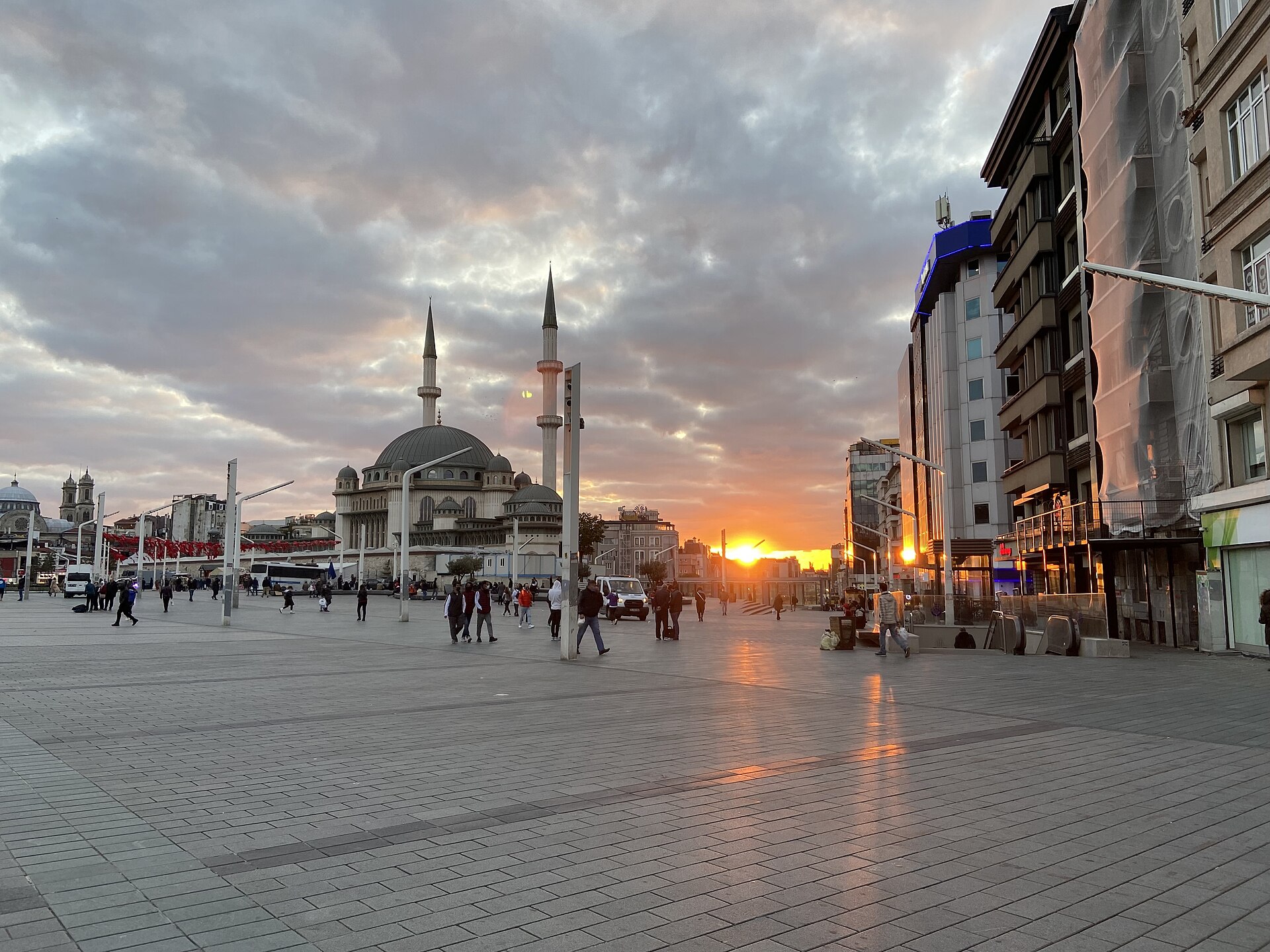
1928 — Cumhuriyet Anıtı
Beyoğlu's gravitational center. Republic Monument (1928), AKM cultural center, Gezi Park, M2 metro north terminus. Where İstiklal Avenue begins; 24/7 taxi stand and bus interchange.
- Cumhuriyet Anıtı
- AKM
- Gezi Parkı
- M2 Metro
Foto · Wikimedia Commons (CC BY-SA)İstiklal
Pedestrian · History
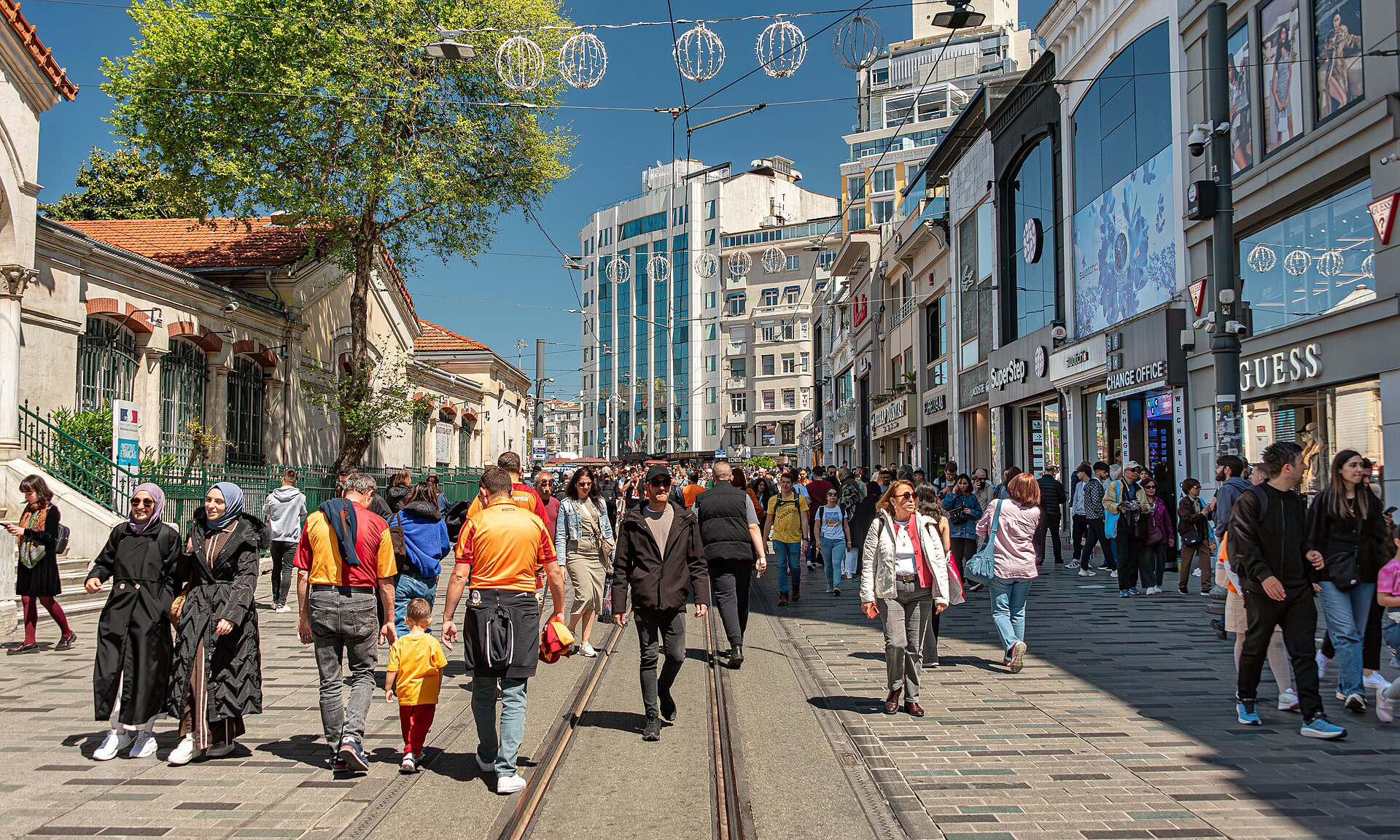
1883 — T2 tramvay rayı
1.4 km pedestrian avenue, formerly Grande Rue de Péra. The red nostalgic tram (T2) still runs on tracks laid in 1883, connecting Taksim to Tünel. Arcades, bookshops, old cinemas, art-nouveau apartments.
- Tarihi tramvay
- Çiçek Pasajı
- Galatasaray Lisesi
- Atlas Sineması
Foto · Wikimedia Commons (CC BY-SA)Galata
Tower · Narrow lanes
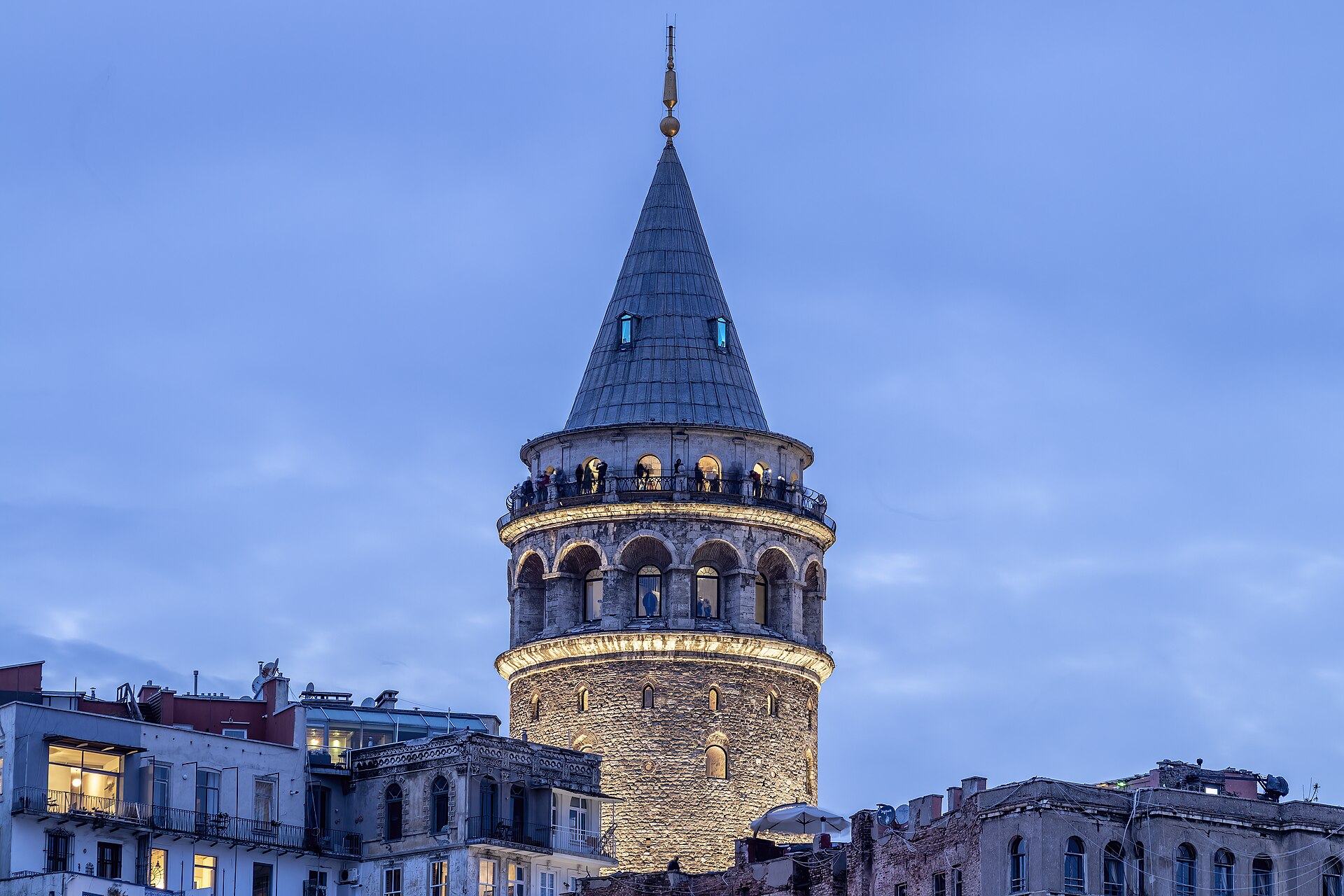
1348 — Galata Kulesi
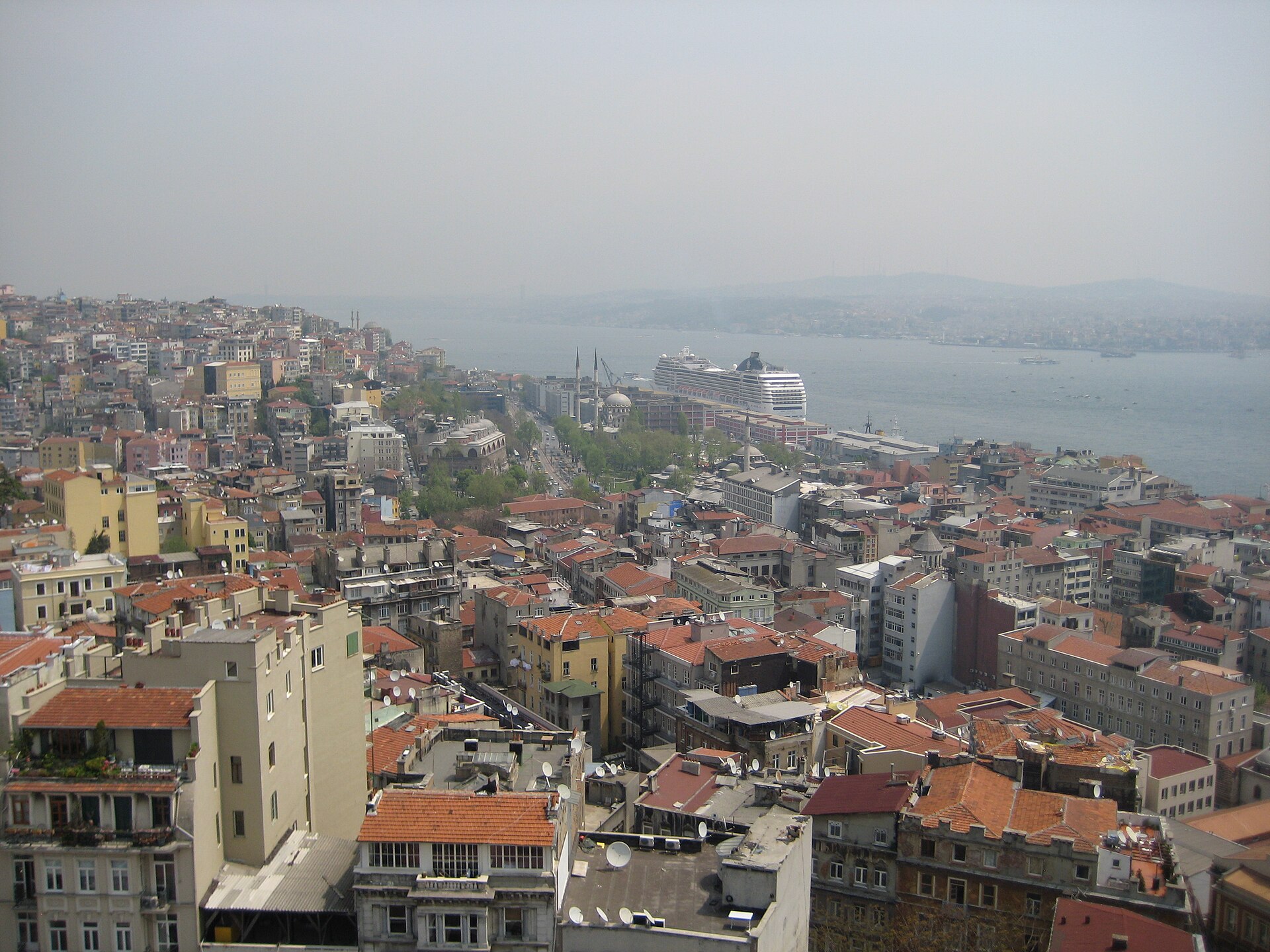
When the Genoese built the Christea Turris in 1348, the hilltop was walled. Today the 66.9-m Galata Tower is the district's emblem.
- Galata Kulesi 66.9m
- Galip Dede
- Kamondo Merdiveni
- Mevlevihane
Foto · Wikimedia Commons (CC BY-SA)Karaköy
Waterfront · Modern art
1875 — Tünel açılışı
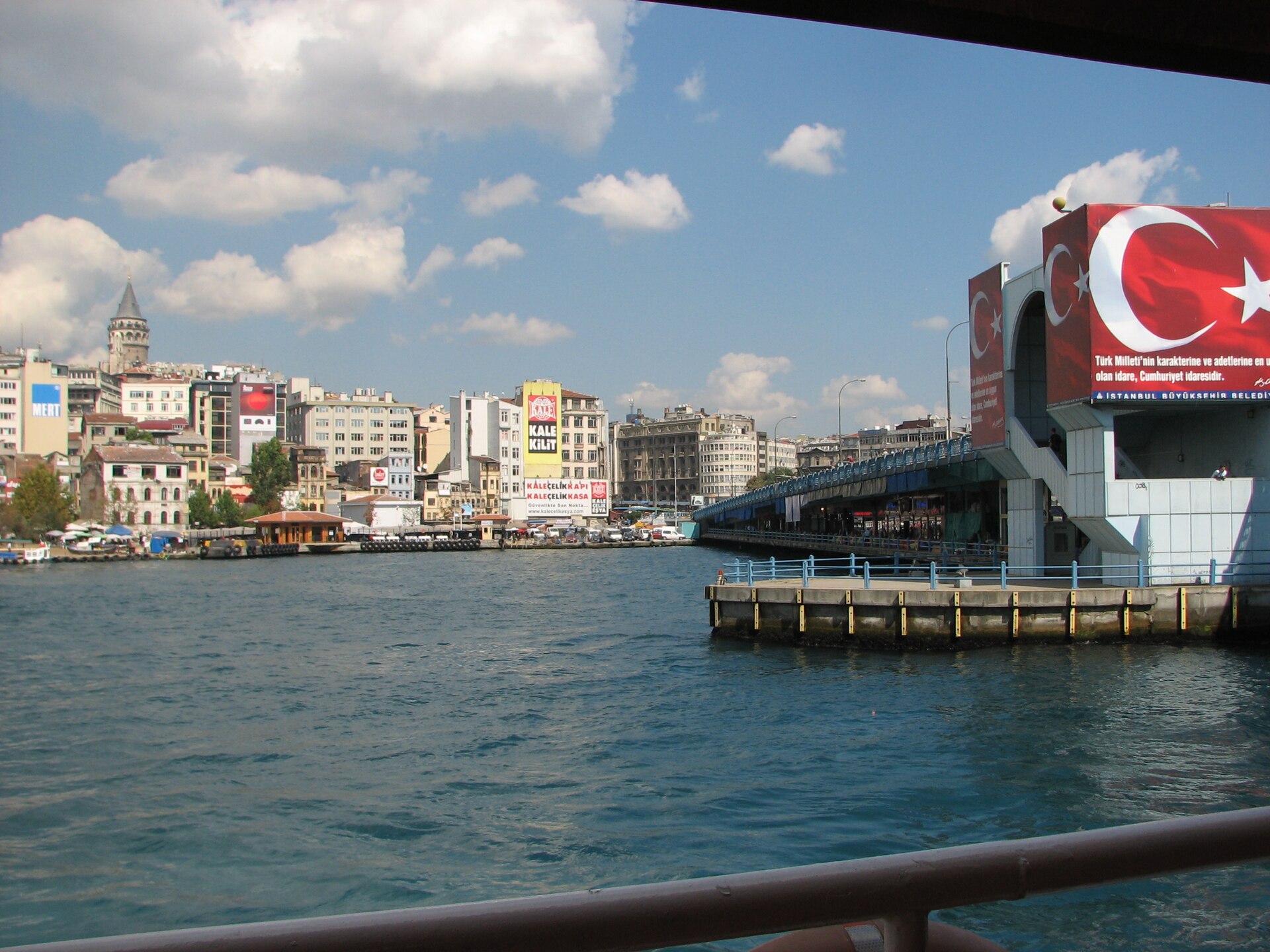
Once just the port; transformed since the 2010s into a contemporary art and third-wave coffee district.
- Galataport
- İstanbul Modern
- Salt Galata
- Tünel (1875)
Foto · Wikimedia Commons (CC BY-SA)Cihangir
Bohemian · Bosphorus view
1559 — Cihangir Camii
Beyoğlu's most bohemian quarter. The narrow lanes that filled with artists, writers and filmmakers in the 1990s now host third-wave coffee shops and famous street cats.
- Sıraselviler
- Cihangir Camii
- Tombili kedi heykeli
- Üçüncü dalga kahve
Foto · Wikimedia Commons (CC BY-SA)Çukurcuma
Antiques · Steep
2012 — Masumiyet Müzesi
The antiquarian quarter. Over 100 antique shops; the Museum of Innocence (2012) is here.
- Faik Paşa Sokak
- Masumiyet Müzesi
- Turnacıbaşı
- Antika dükkanları
Tarlabaşı
Market · Traditional
Pazar · 19. yy yapılar
West of İstiklal. The Sunday weekly bazaar (Tarlabaşı Pazarı). 19th-century Greek and Armenian houses.
- Pazar günü pazarı
- Tarlabaşı Bulvarı
- Eski Rum-Ermeni evleri
Kasımpaşa
Local · Off-beat
1455 — Osmanlı tersanesi
On the Golden Horn shore, beside the Ottoman shipyard (1455).
- Piri Reis Camii
- Tersane
- Haliç kıyısı
Asmalımescit
Bars · Live music
20. yy başı — eğlence merkezi
Below İstiklal, near Tünel. An entertainment hub since the early 20th century. After 21:00 the whole lane fills with tables.
- Sofyalı Sokak
- Canlı müzik barları
- Fasıl meyhaneleri
Tepebaşı
Heritage · European
1892 — Pera Palas Oteli
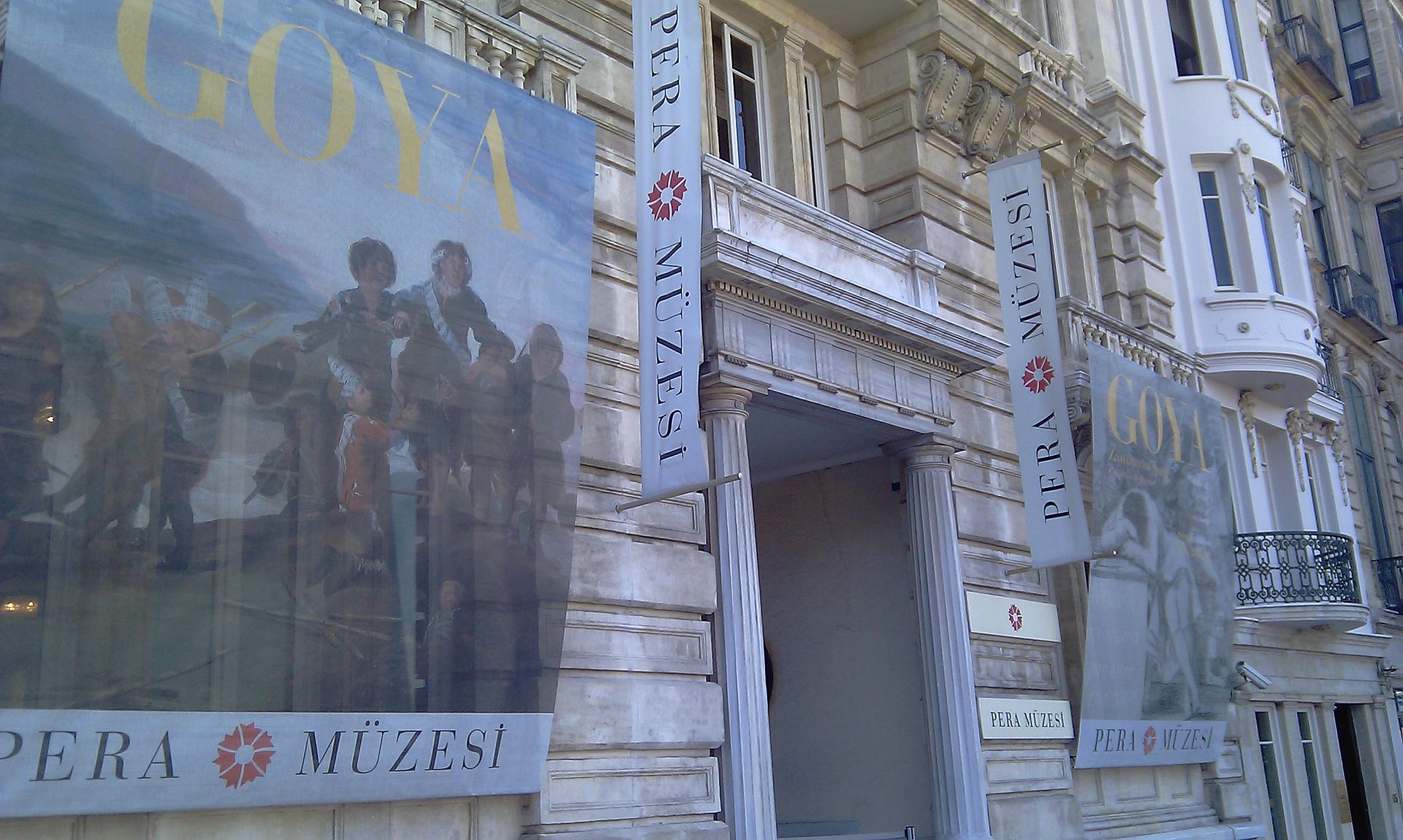
Late 19th — early 20th century European architecture. Pera Palas (1892), London Hotel, Bristol (today Pera Museum) all here.
- Pera Palas Otel
- Pera Müzesi
- Meşrutiyet Caddesi
- Bristol Oteli
Foto · Wikimedia Commons (CC BY-SA)Avizeci çarşısı
Between Tepebaşı and Unkapanı. Known for chandelier and lighting shops — Istanbul's lighting bazaar. M2 metro stop.
- M2 Şişhane durağı
- Avize dükkânları
- İBB binası
1732 — Tophane Çeşmesi
Coastal area opening to the Bosphorus. Tophane Fountain (1732), Nusretiye Mosque (1826), Tophane-i Amire (Ottoman cannon foundry).
- Tophane Çeşmesi
- Nusretiye Camii
- Nargile kafeler
- Mimar Sinan Üniversitesi
1491 — Firuzağa Camii
Cihangir's inner side, clustered around Firuzağa Mosque (1491). Café Firuzağa is the retirees' meeting point. Steep streets with Bosphorus views.
- Firuzağa Camii
- Cafe Firuzağa
- Eğimli sokaklar
Hüseyinağa
Nightlife · Diverse
Gece hayatı omurgası
Covers the east side streets of İstiklal. Balo, Mis, and Atıf Yılmaz streets — heart of nightlife. Known for LGBTQ+-friendly venues and boutique cafés.
- Balo Sokak
- Mis Sokak
- Atıf Yılmaz Cd.
19. yy Rum apartmanları
East of Galatasaray Lyceum. Old Greek apartments along Kuloğlu Street, small antique and clothing shops. Steep passage to Çukurcuma.
- Kuloğlu Sokak
- Eski apartmanlar
- Çukurcuma geçişi